
The esse cigarettes brand is closely associated with South Korea’s tobacco industry and the development of the super-slim cigarette format. Introduced in 1996 by KT&G, esse cigarettes became an internationally recognised name in this category. Their history offers a useful perspective on tobacco manufacturing, product design, packaging differences and the regulation of tobacco products across markets.
This article explores eight aspects of the brand, focusing on documented background information rather than product recommendations. It also explains why packaging and specifications should be checked carefully, particularly when researching overseas tobacco products in Australia.
1. A Brand Developed in South Korea
ESSE was introduced by KT&G in 1996. The company’s official history and product information document its development as part of South Korea’s tobacco industry. According to KT&G’s historical overview, the brand began exporting in 2001 and expanded into international markets.
The history of esse cigarettes illustrates how a locally developed tobacco brand can become internationally recognised. Its expansion also demonstrates the importance of manufacturing capacity, product differentiation and regional distribution in the global tobacco industry.
Historical sales figures should always be attributed to their original source and publication date. Market rankings and sales shares can change, so older corporate announcements should not automatically be presented as current statistics.
2. The Super-Slim Format
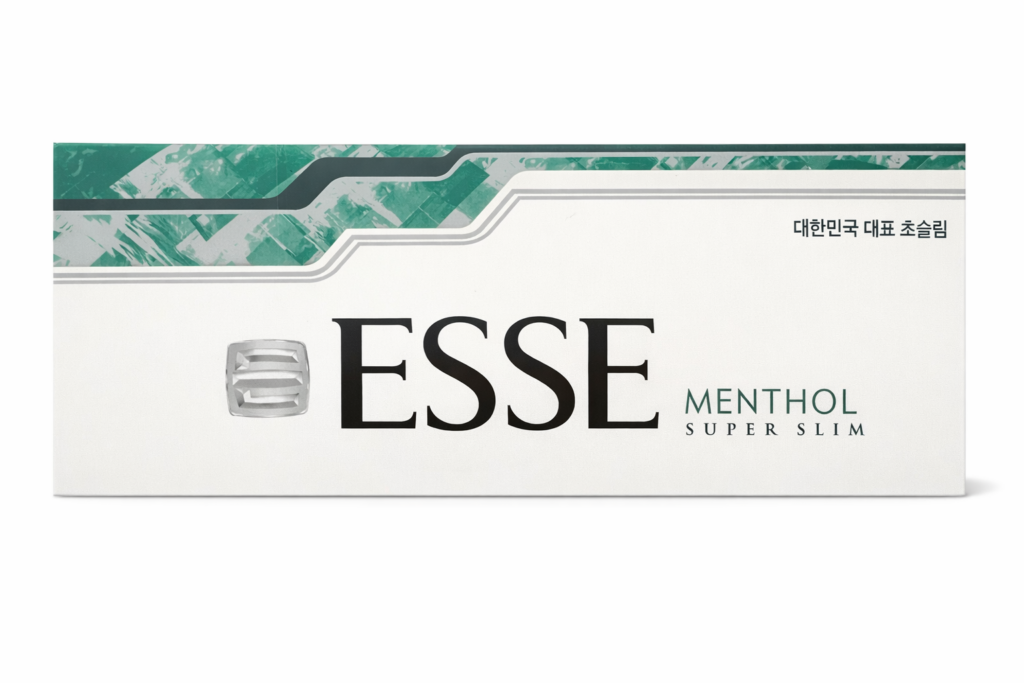
One of the most recognisable characteristics of esse cigarettes is their slim format. Unlike conventional cigarettes, these products have a narrower diameter, although the exact dimensions depend on the particular model. The design of esse cigarettes illustrates how physical features can distinguish one tobacco product category from another.
The format is an example of how physical design distinguishes one tobacco product category from another. Some product descriptions list a length of approximately 100 mm, but this measurement should be verified for the specific edition being discussed.
The term slims cigarettes describes a physical format, not a health category. A narrower cigarette is not necessarily less harmful, and its appearance cannot reliably establish how much nicotine or other toxic substances a person absorbs.
3. Understanding Product Variants
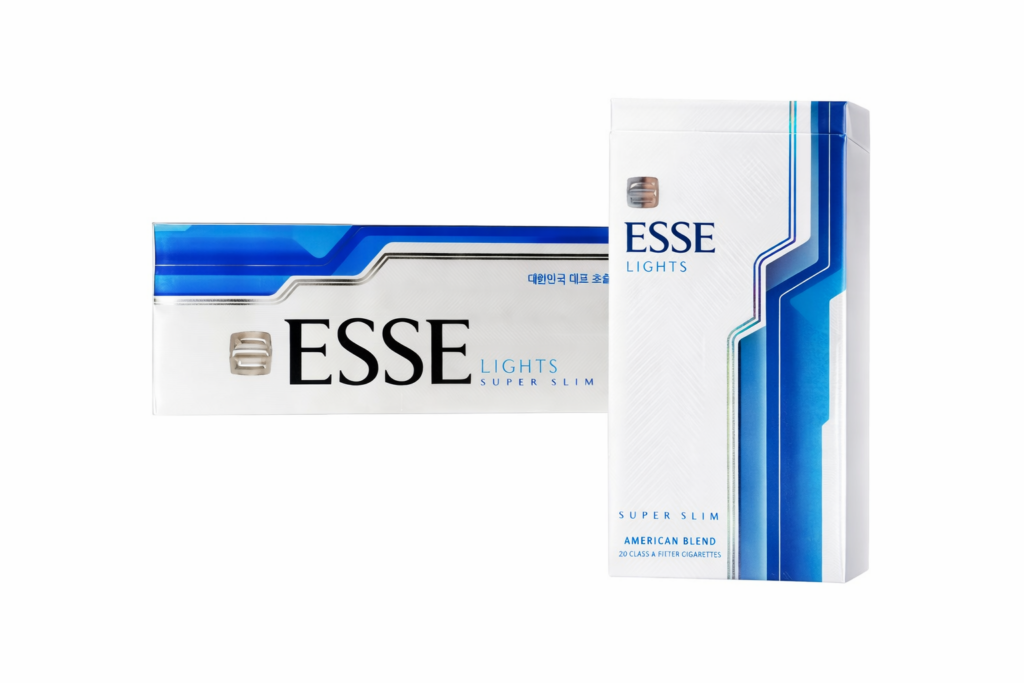
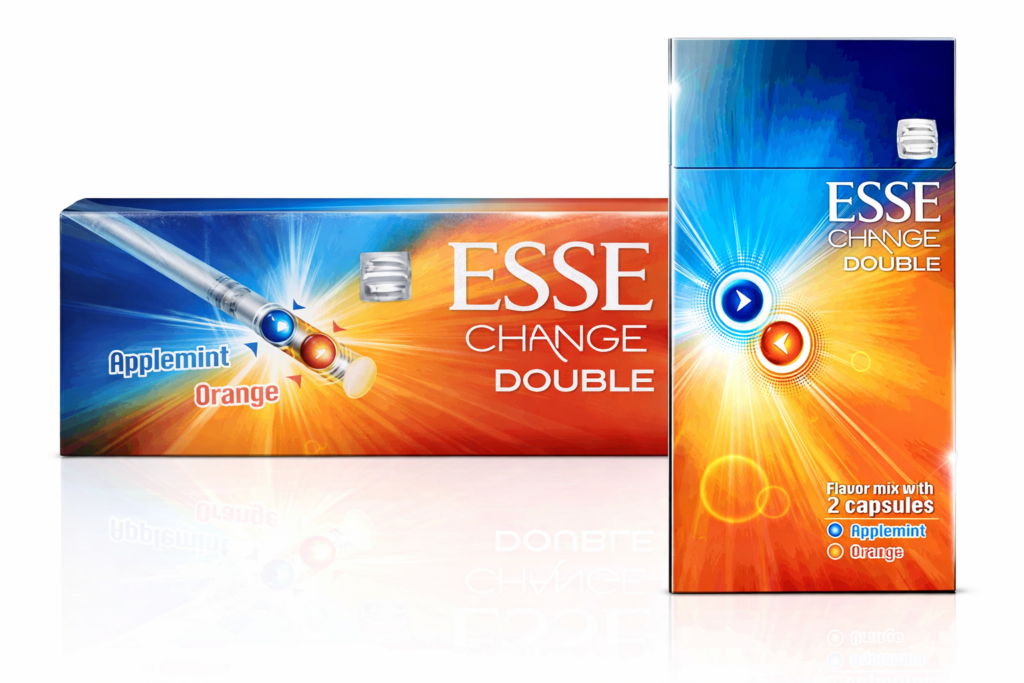
The esse cigarettes range has included different product names and packaging designs over time. Names such as Menthol, Blue, Pink, Change, Silver and Gold may appear in descriptions of particular editions. However, the specifications of esse cigarettes can vary by model, manufacturing period and intended market.
However, these names do not establish that all products share the same formulation or specifications. Product composition can vary by model, manufacturing period and intended market.
For example, a capsule-filter edition may have a different design from a standard-filter edition. The presence of a capsule, a particular colour or a named variant should be documented from reliable product information rather than inferred from a photograph.
Descriptions of flavour or perceived smoothness are subjective and should not be treated as evidence that one variant is safer than another.
4. Filters and Product Engineering
Cigarette filters are designed components that can differ in materials, construction and ventilation. Some products use additional filter materials or capsule mechanisms, while others use more conventional designs.
KT&G’s historical product materials document the development of capsule technology within its product portfolio. Its official company announcements provide historical context for the brand’s international development.
Nevertheless, the presence of a filter or a particular engineering feature does not make cigarette smoke safe. Filters cannot eliminate the substantial health risks associated with smoking, and machine-measured emissions should not be interpreted as a direct measure of an individual’s exposure.
5. Why Packaging Differs Between Markets
Packaging for esse cigarettes can differ between countries. Differences may include warning language, graphic health warnings, tax markings, product identifiers and other legally required information. An overseas edition should not automatically be assumed to match a product sold domestically in South Korea.
An overseas edition should not automatically be assumed to match a product sold domestically in South Korea. Similarly, packaging that claims to be an export or duty-free edition does not, by itself, prove the product’s origin or authenticity.
When documenting a package, record the exact variant name, manufacturer details, warning labels and any available batch information. These details may help distinguish editions, although packaging photographs alone cannot conclusively establish authenticity.
6. Reading Specifications and Claims Carefully
The term korean cigarette identifies a national association, but it does not tell readers everything about a product’s ingredients, manufacturing location or legal status.
Tar and nicotine figures, where available, should be associated with the exact product and market edition. A figure printed on one version should not be transferred to another version without supporting documentation.
Likewise, terms such as “light,” “mild” and “low tar” do not mean that smoking carries little or no risk. All combustible cigarettes expose users to harmful substances, and there is no safe cigarette.
7. Australian Prices, Cartons and Tobacco Regulation
Searches for australia cigarette prices can produce figures from different years and markets. Australian tobacco prices are affected by taxation and other retail costs, so overseas prices are not a reliable guide to local prices or legal availability.
Another common research question is how many packs in a carton of cigarettes. Carton configurations can vary by market and product, so the packaging itself should be checked instead of assuming every carton has the same contents.
Australia also has strict tobacco packaging and advertising laws. The Australian Government’s tobacco laws guidance explains the rules for tobacco products, including standardised packaging and health warnings. The Australian Taxation Office provides official information about tobacco excise.
A product appearing on an overseas website does not automatically mean that importing, mailing or selling it in Australia is lawful. Readers should consult current official guidance for the relevant circumstances.
8. Health Information and Responsible Research
Research into esse cigarettes can help readers understand tobacco branding, product formats and international packaging. However, learning about esse cigarettes should not be confused with evidence that a product is safe or suitable for use.
According to healthdirect Australia, smoking is associated with serious health consequences. Anyone looking for help to quit can contact Quitline or discuss available support with a healthcare professional.
The most useful approach is to separate verified product history from marketing descriptions and unsupported claims. Reliable sources, accurate dates and current regulatory guidance are essential when writing about tobacco products.
Final Thoughts
The history of ESSE reflects the development of a South Korean tobacco brand and the wider evolution of super-slim cigarette design. Its product names, filters and packaging variations provide material for cultural and industrial research, but they do not establish differences in safety.
For Australian readers, the key considerations extend beyond branding to health risks, packaging requirements, taxation and import regulations. Understanding those distinctions makes for a more accurate and responsible account of the tobacco industry.