
When people discuss well-known Chinese tobacco brands, chunghwa cigarettes are often recognised for their red packaging and distinctive Chinese visual identity. The brand has a long association with China’s tobacco industry and is frequently discussed in articles about tobacco culture and premium cigarette branding. Understanding its background also means looking beyond packaging to product labelling, counterfeit concerns and the regulations that apply in different countries.
A Quick but Important Note
Tobacco contains nicotine, which is addictive, and smoking causes serious harm. This article explores brand history, packaging and regulation for informational purposes only. It does not recommend tobacco products or encourage smoking. People who want to quit can access support through Australia’s Quitline service.
1. The History Behind Chunghwa Cigarettes
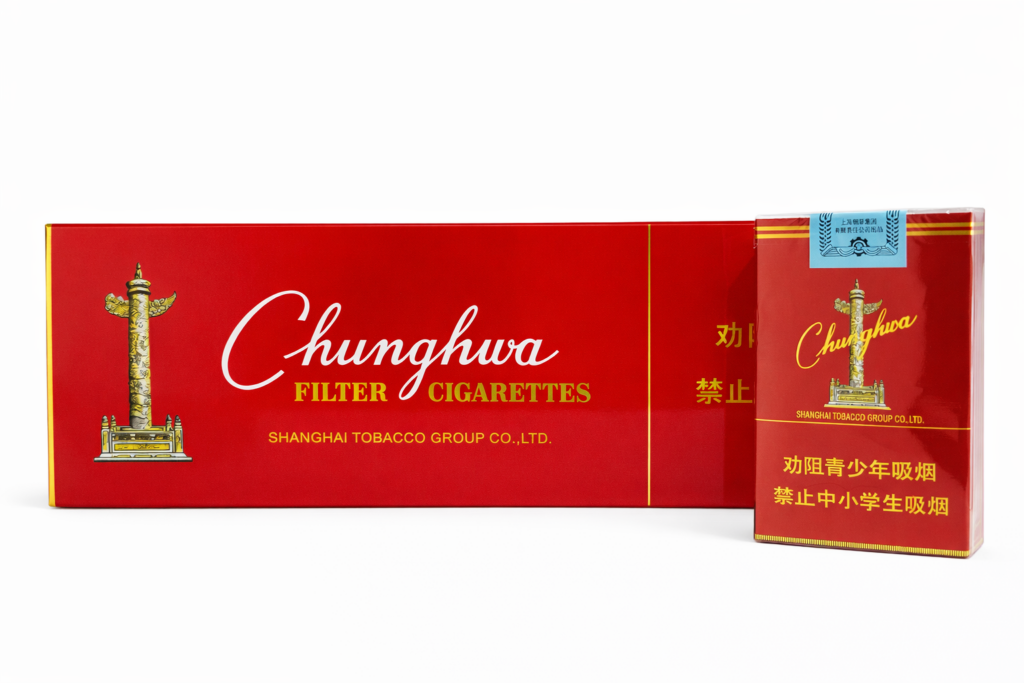
Chunghwa is associated with Shanghai’s tobacco manufacturing history and is widely recognised as a prominent Chinese tobacco brand. Its red packaging and Chinese cultural imagery have contributed to its distinctive identity.
The brand is often described as a premium cigarette name in discussions of Chinese tobacco culture. Its reputation provides an example of how heritage, visual design and brand positioning can shape recognition across generations.
Online discussions of the best chinese cigarettes often include historically prominent brands. However, these descriptions reflect reputation and familiarity rather than independent evidence of product quality or safety. All combustible tobacco products carry significant health risks.
2. Understanding Product Editions and Export Claims
Packaging and product specifications can vary by market, production period and product edition. When researching chunghwa cigarettes, readers should avoid assuming that every pack uses the same blend or has identical characteristics.
Claims that an export edition is automatically milder, smoother or safer should not be accepted without reliable evidence. Descriptions of taste are subjective, and a product’s perceived smoothness does not mean it causes less harm.
For accurate product information, look for reliable manufacturer documentation and read the labelling on the specific product. Avoid treating informal online reviews as proof of formulation or safety.
3. Packaging and Visual Identity
The brand is commonly associated with a bright red background, Chinese lettering and imagery linked to Chinese national and cultural identity. These elements help distinguish its packaging from that of many other international tobacco brands.
Packaging is also part of a broader discussion about tobacco marketing. Colours, typography and cultural symbols can contribute to brand recognition, but they do not communicate the health risks of smoking.
For chunghwa cigarettes, photographs of packs from different countries or time periods may show different labelling and presentation. A photograph alone cannot establish whether a pack is genuine, current or legally available in a particular market.
4. Counterfeit Concerns and Online Claims
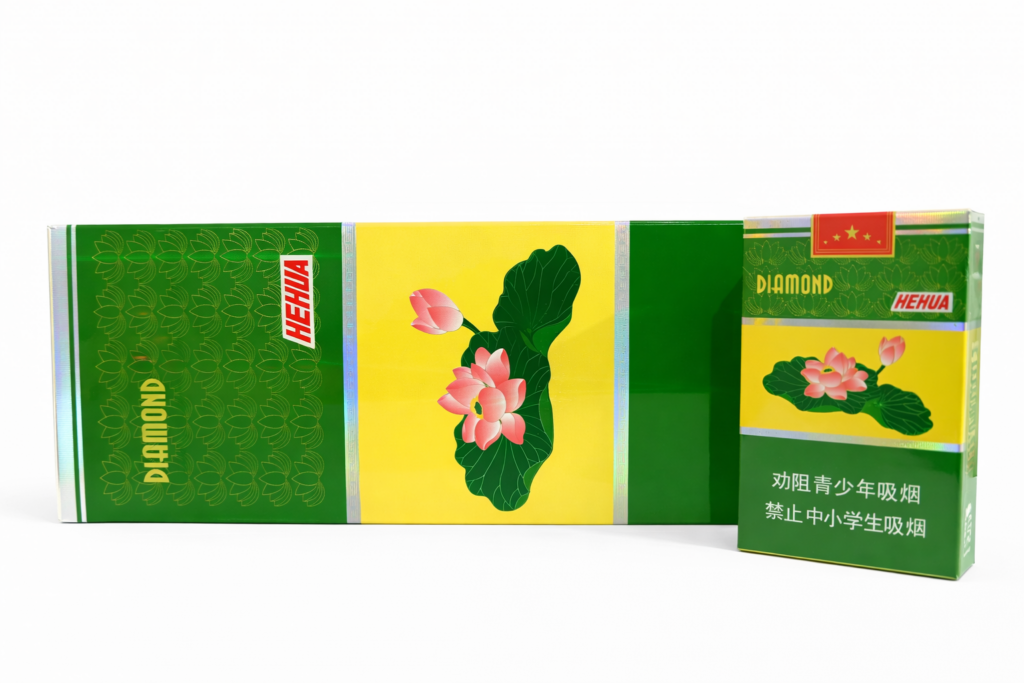
Well-known brands can be used in misleading online listings, making it difficult to judge authenticity from photographs alone. Printing quality, packaging details and security features may be discussed in online forums, but no single visual check can guarantee that a tobacco product is genuine.
Be cautious of sellers who make unsupported claims about authenticity, origin or product specifications. A professional-looking package is not proof of a legitimate supply chain, and a discount does not automatically prove that an item is counterfeit.
The label premium cigarette is also not a guarantee of quality, authenticity or reduced health risk. Reliable documentation and compliance with local laws matter more than promotional language.
5. Australian Plain Packaging Requirements
Australia has strict tobacco packaging requirements. Tobacco products sold through the domestic retail market must comply with standardised packaging rules and applicable health-warning requirements.
The Australian Government’s plain packaging information explains the purpose of these measures. The requirements reduce the role of branding on tobacco packs and ensure that prescribed warnings are displayed.
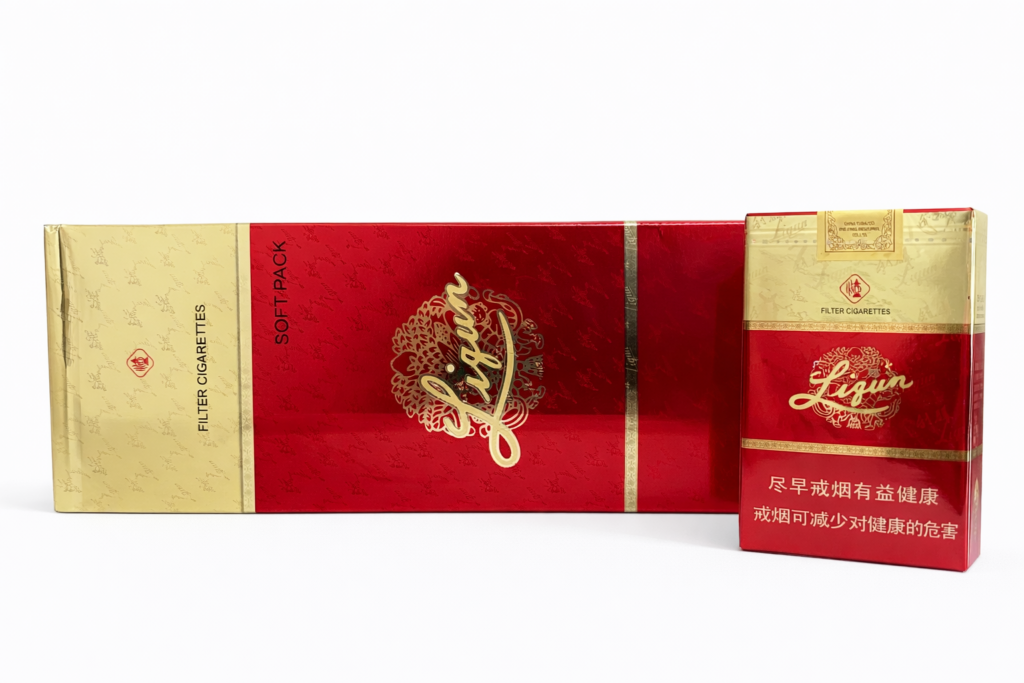
As a result, overseas photographs of chunghwa cigarettes may not resemble packaging used for products sold legally through Australia’s domestic retail market. However, appearance alone cannot establish whether a particular product is legal, counterfeit or intended for another market.
6. Understanding Online Tobacco Listings
Searches for cheap tobacco online free shipping in australia or cheap cig au can lead to listings whose legality and authenticity are difficult to verify. A low advertised price alone does not prove that a product is counterfeit, but it is not proof of legitimacy either.
Australia has strict controls on tobacco imports and tobacco-related taxes. Before relying on a seller’s claims, readers should consult the Australian Border Force tobacco guidance and the Australian Taxation Office website for relevant official information.
Do not assume that a product shown on an overseas website can legally be imported or resold in Australia. Rules may depend on the product, the circumstances of importation and the applicable requirements at the time.
7. Brand Recognition Does Not Mean Lower Risk
The popularity or heritage of a tobacco brand does not change the health effects of smoking. Tobacco smoke contains harmful chemicals, and nicotine dependence can make quitting difficult.
Research into chunghwa cigarettes can provide insight into Chinese tobacco history, packaging and brand recognition. It should not be confused with evidence that the product is safe or that one cigarette brand is a healthier choice than another.
People who want to stop smoking can speak with a healthcare professional or contact Australia’s Quitline for support. More information about tobacco-related health risks is available from Healthdirect Australia.
Final Thoughts
The history and visual identity of chunghwa cigarettes offer a window into Chinese tobacco branding and packaging culture. Its reputation as a premium cigarette brand reflects its place in the market, but brand recognition and packaging claims do not establish product safety or legal status.
For Australian readers, the most reliable approach is to check official regulations, be cautious with unverified online listings and distinguish brand reputation from evidence. Whatever the brand, avoiding tobacco or quitting smoking is an important step towards reducing health risks.